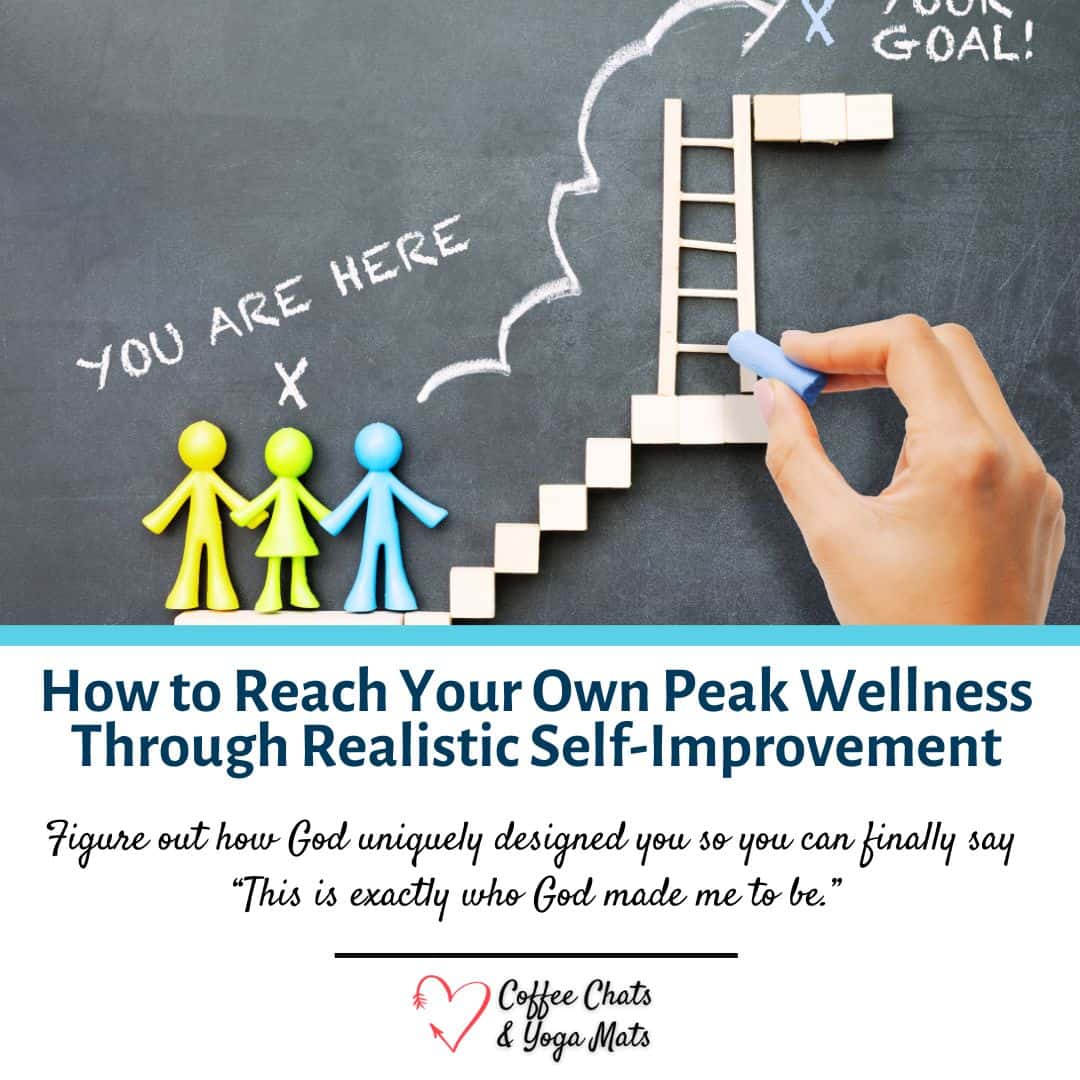
How to Reach Your Own Peak Wellness Through Realistic Self-Improvement
You’re probably not looking for another checklist or platitude-soaked blog post about “becoming your best self.”
Most people aren’t short on information—they’re short on rhythm, clarity, and structure that actually sticks.
Wellness isn’t a finish line or a lifestyle aesthetic; it’s a decision you renew, rhythmically, sometimes even hourly.
True self-improvement requires looking under the hood, not just swapping habits like apps on a phone.
Whether you’re recalibrating your energy, trying to calm the mental clutter, or just finding a sustainable way to feel like yourself again, there’s a path.
And no, it doesn’t have to look like anyone else’s.
Let’s map it out.
Build Resilience through Self-Improvement
The foundation of any wellness strategy that works over time is resilience—not toughness, not denial, but the kind of bounce-back that grows with friction.
People often assume resilience is something you either have or don’t.
It’s not.
It’s something you build by getting in the ring, again and again, in deliberate ways.
One overlooked strategy is deliberately pairing small moments of discomfort with intentional recovery—emotional reps, in a sense.
You can train this muscle deliberately by working through approaches that focus on building resilience through learning and change, even in the middle of messy or unclear growth phases.
Habit Formation That Actually Lasts
Most people fail at habits not because they’re weak-willed, but because they treat habits like events instead of architecture.
Willpower is real, but it’s a terrible building material.
Real behavioral change comes from structure—deciding where the habit fits before deciding how motivated you feel.
At the core of this approach is layering new routines onto existing ones, so the shift becomes invisible, embedded, and frictionless.
Whether it’s anchoring your reading habit to your morning coffee or fitting breathwork between meetings, stacking builds sustainability.
That structure (stacked, not summoned) is what keeps you going when the mood disappears.
Business as a Self-Development Engine
Sometimes, the biggest upgrade to your sense of wellness doesn’t come from introspection—it comes from action.
For some, starting a business becomes the ultimate self-development framework: it demands clarity, decision-making, resilience, and vision, all in one container.
Platforms like ZenBusiness give aspiring entrepreneurs tools to make that leap, removing the noise and gatekeeping from the equation.
The process of registering your idea, picking a name, putting it out there—it forces growth, even if you’re not ready.
And often, that’s exactly what transformation requires: motion before certainty.
Presence Practices for Mental Clarity
The trap of self-improvement is speed.
More books, more steps, more noise.
But if your brain is sprinting while your body begs for stillness, you’re not improving—you’re accelerating burnout.
A self-directed presence practice changes that.
It’s not about apps or check-ins; it’s about redirecting your attention from the imagined future and looping past into the now.
One way to start is anchoring awareness in the present moment, especially during micro-moments of stress.
Taking three full breaths before opening your inbox can do more for your nervous system than any to-do list ever could.
Purposeful Goal Setting for Wellness
Goals are usually pitched as productivity tools, but they’re often more useful as emotional calibrators.
They show us what we’re reaching for, sure, but also what we believe about our capacity to grow.
Setting goals that aren’t just numerical, but emotionally honest, has a powerful effect on wellness.
Instead of asking “How much weight do I want to lose?” ask “What part of me feels ignored?”
When you shift your aim from outcomes to identity, goals begin to function like mirrors, not ladders.
Research points to the benefits of feeling well simply by aiming for growth, even if the target evolves.
And that evolution is the point.
Movement That Enhances Mood and Cognition
You don’t have to be a runner. You don’t have to do yoga.
You just have to move—consistently, deliberately, and sometimes joyfully.
Physical movement isn’t about the calories; it’s about circulation, signal clarity, and reclaiming agency over your body.
One neurologist notes that even modest movement fuels sharper thinking, particularly when paired with intentional recovery.
That means a ten-minute walk after lunch matters. Stretching while your coffee brews matters.
Don’t wait for motivation; instead, use movement as ignition.
Connection as a Core Wellness Strategy
Wellness can’t survive in isolation.
It’s tempting to think self-improvement is a solo sport, but the real gains often happen in community.
We regulate each other.
We ground each other.
And when that connection is intentional—not just social proximity but true emotional contact—it becomes one of the most powerful healing forces available.
Studies show the value of deepening bonds to support emotional resilience, especially during high-friction transitions.
Building intentional connection isn’t fluff.
It’s functional, biochemical, and required.

This is a real conversation — human, hopeful, and focused on what actually matters. No sales pressure. Just clarity and forward movement.
Let’s name the gift that’s been waiting to be used.
Book your God-Given Gifts Chat.
In this free audio-and-text chat (via Voxer), we’ll slow down long enough to name what’s actually going on in your current season — and what might be keeping you stuck.
Together, we’ll:
- Identify one God-given gift I see in you — even if you haven’t named it yet
- Clarify one simple, life-giving next step
- Help you stop second-guessing how you’re wired
You’ll walk away with one gift named, one step to take, and clarity about whether I’m the right coach to walk with you further.
Related posts
- How to Reach Your Own Peak Wellness Through Realistic Self-Improvement
- Staying the Course: Practical Strategies for Wellness and Self-Care Consistency
- How to Live Your Best Life as a Working Mom
- 4 Practical Ways to Embrace Your Weaknesses and Limitations
Wrapping up How to Reach Your Own Peak Wellness Through Realistic Self-Improvement
Wellness through self-improvement isn’t a one-size-fits-all prescription.
It’s a rhythmic practice between your nervous system, your environment, and the stories you believe about who you are.
When you build resilience deliberately, attach habits to reality, ground your goals in identity, and move with purpose, something shifts.
When you make time for presence and connection, something holds.
And when you pursue purpose—not just as an abstract idea but as a felt, structural thing—you don’t just feel better.
You become someone who can respond to life with clarity and capacity.
P.S. Want some crazy simple steps to start living intentionally? Grab the Embrace Your Potential Playbook. It’ll help you zoom in on your God-gifted personality and give you practical tips to be more intentional, passionate, and purposeful as God’s beloved so you can become the best version of yourself.

Jennifer McGregor is a pre-med student, who loves providing reliable health and medical resources for PublicHealthLibrary.org users. To make it easier for people to search for high quality information, she co-created Public Health Library – a way to push reputable information on health topics to the forefront, making them more convenient to find.”