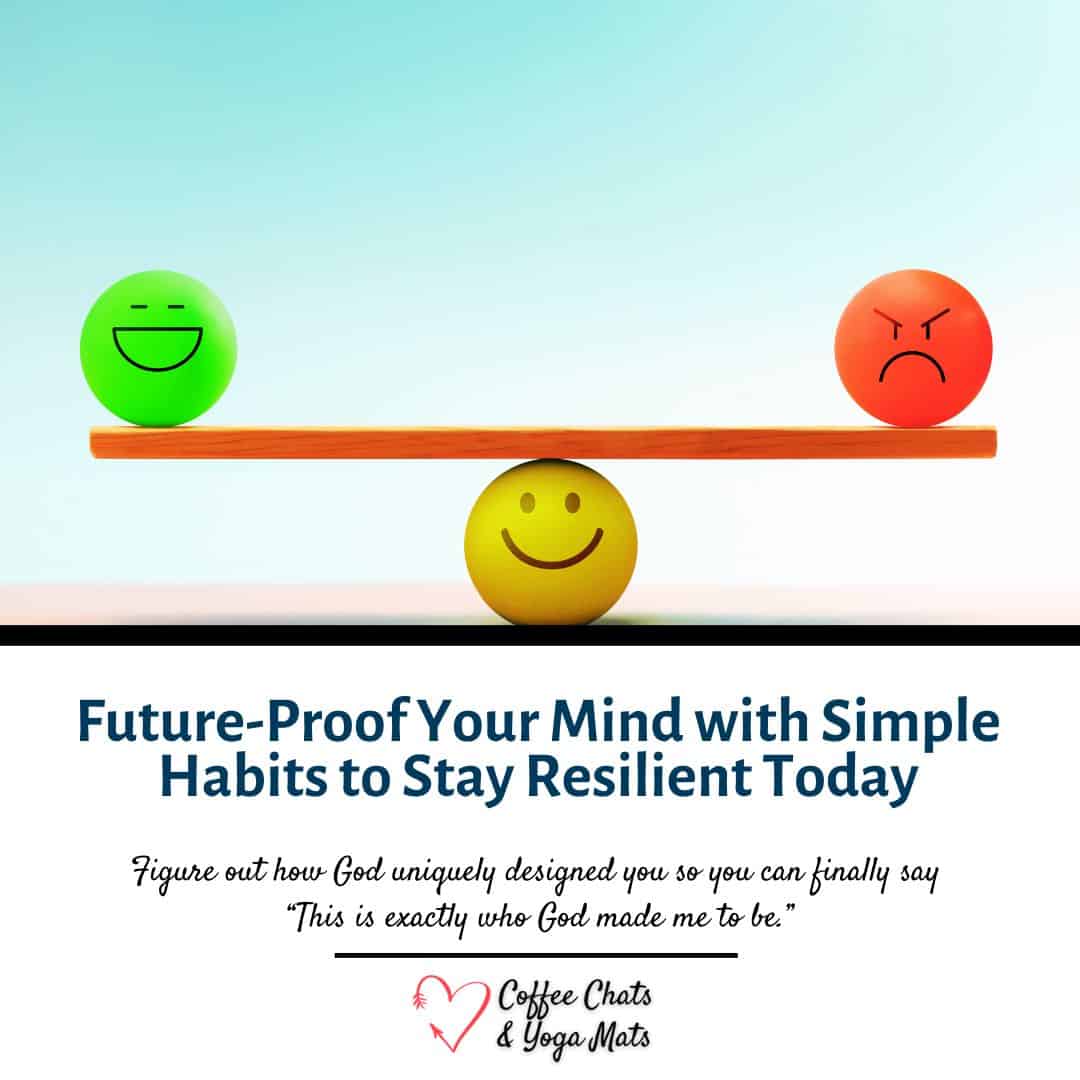
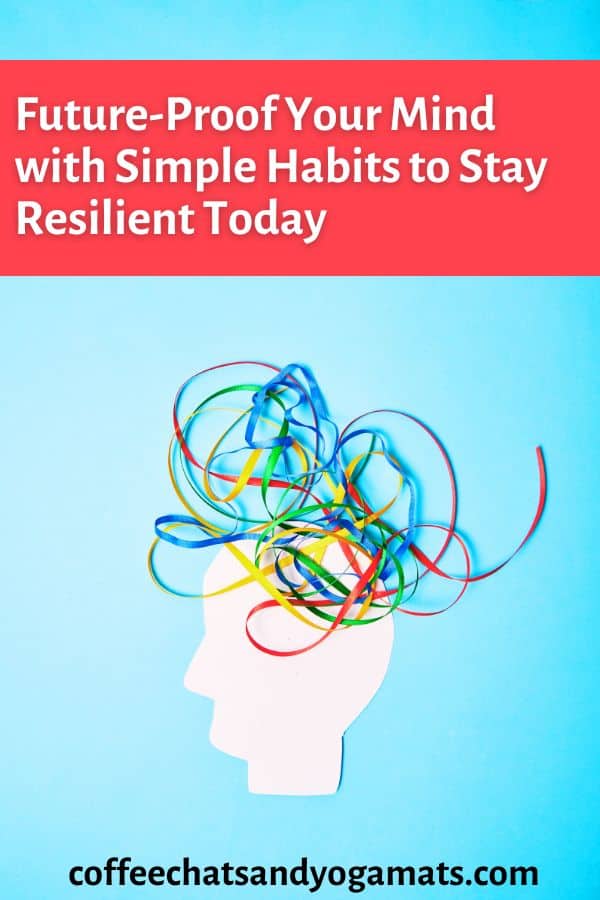
Future-Proof Your Mind with Simple Habits to Stay Resilient Today
Busy parents juggling work and wellness, early-career professionals, and caregivers holding families together are facing an endless string of unpredictable world challenges without much time to reset.
The core tension is simple: staying calm and capable while navigating uncertainty can start to feel like a second job, and burnout creeps in when the mind never gets a break.
Mental resilience isn’t a personality trait some people are born with, it’s a set of skills that can be strengthened, even in small moments.
With future-proofing the mind and steady psychological adaptability, general readers seeking mental strength can meet change with more clarity.
Understanding the Foundations of Mental Resilience
At its core, mental resilience is your ability to stay steady and keep moving when life changes fast.
It starts with openness to change, meeting uncertainty with curiosity, and building a lifelong learning mindset.
It also includes emotional agility, noticing feelings without getting stuck, plus balanced optimism that hopes for good outcomes while planning for bumps.
These foundations matter because they turn stress into something you can work with, not something that runs your day. When you practice them, you make clearer choices, recover faster after hard moments, and feel less thrown off by surprises.
Picture a last-minute schedule change: childcare falls through, a deadline shifts, or a relative needs help. Resilience looks like pausing, adjusting the plan, learning what worked, and trying again, growing in the face of adversity.
With the “why” clear, small daily habits can make these skills easier to access under pressure.
Everyday Habits That Build Mental Resilience
Start small and repeat often.
These habits turn resilience from a good idea into something you can feel in real moments. Done consistently, they help you regulate emotions faster, stay flexible when plans change, and keep learning without burning out.
Two-Minute Mindful Reset
- What it is: Do a brief breathing check-in using the positive effects of mindfulness as your guide.
- How often: Daily
- Why it helps: It lowers stress reactivity so you can respond with more clarity.
Name the Feeling, Choose the Next Step
- What it is: Label the emotion, then pick one helpful action you can do now.
- How often: As needed
- Why it helps: It creates space between what you feel and what you do.
Weekly Learning Block
- What it is: Spend 30 minutes learning one practical skill you might need soon.
- How often: Weekly
- Why it helps: It trains adaptability and makes change feel less intimidating.
Support Text and Voice Note
- What it is: Send one genuine check-in to strengthen supportive relationships.
- How often: Twice weekly
- Why it helps: It builds a safety net you can lean on during stressful weeks.
Optimism Plus Plan
- What it is: Write one hope, one risk, and one “if then” backup plan.
- How often: Weekly
- Why it helps: It keeps you hopeful while staying prepared.
Pick one habit this week, then tweak it to fit your family’s rhythm.
Common Questions About Resilience in Uncertain Times
If change has you feeling frozen, these clarifications can help.
Q: How can cultivating openness to change help me cope with an unpredictable world?
A: Openness to change turns uncertainty from a threat into information you can work with. It helps you shift from “I must control everything” to “I can adjust as I learn more.” Start with one low-stakes experiment, like trying a new routine for a week, so your brain learns that change is survivable.
Q: What strategies can I use to manage feelings of uncertainty without becoming overwhelmed?
A: Use structure to calm your nervous system: name what you can control today, what you can’t, and one next action. Limit “what-if” spirals by setting a short daily worry window, then redirect attention to a task you can finish. If you feel stuck, choose a structured learning goal you can complete in 30 minutes weekly.
Q: In what ways does practicing mindfulness and emotional agility strengthen mental resilience?
A: Mindfulness builds the pause between a trigger and your response, which makes decisions steadier under pressure. Emotional agility means you can feel anxiety or grief without letting it drive the steering wheel. One simple drill: label the emotion, rate intensity 1 to 10, then choose one values-based action.
Q: How do maintaining supportive relationships and balancing optimism with realism contribute to future-proofing my mind?
A: Supportive relationships give you reality checks, encouragement, and practical help when plans shift. Balancing optimism with realism keeps hope alive while you prepare for bumps, so you are less shaken if things go sideways. Remember that mental toughness is trainable, and social support plus planning are skills you can practice.
Q: What steps can someone take when feeling stuck or uncertain about their life direction to create a clearer path forward?
A: Shrink the decision: identify one direction to test, one skill to build, and one person to talk to this week. Try a small “prototype” step like an informational interview, a short course, or a volunteer shift to gather real feedback. If a career shift is on your mind, exploring a supported online degree path can add structure and momentum while you keep your options open; for more on that, this may help.
Small, consistent moves turn uncertainty into progress you can measure.

Resilience Habits You Can Check Off Today
To keep your momentum going:
This checklist turns big ideas into small habits you can actually repeat. Even better, resilience interventions showed a moderate positive effect size of 0.44, so simple practices can add up over time.
✔ Choose one low-risk change to try this week
✔ Set a 10-minute daily worry window and stop on time
✔ List three controllables and take one next action
✔ Practice a 60-second pause with slow breaths before responding
✔ Label your strongest emotion and rate it 1 to 10
✔ Text one supportive person and ask for a quick reality check
✔ Write one hopeful plan and one backup plan
Pick two items today, then build from there.
Articles related to Future-Proof Your Mind with Simple Habits to Stay Resilient Today
- Here’s my quirky way of setting goals (it’s not what you think it is)
- Reclaiming Calm: A Rhythm-First Approach to Everyday Mental Resilience
- Better Health, Made Simple: Tiny Habits That Can Actually Blend Into Your Real Life↗
Turn Small Resilience Habits Into Lifelong Mental Strength
Change keeps showing up, busy days, hard news, shifting plans, and it can leave the mind feeling stretched and reactive.
A resilience growth mindset, built on ongoing adaptability practices and encouraging emotional agility, offers a steadier way to respond: notice what’s happening, stay connected, and learn forward.
Over time, those small check-off habits become motivating mental resilience that supports calmer decisions, warmer relationships, and inspiring mental strength under pressure.
Resilience grows when small habits meet a steady commitment to lifelong learning.
Choose one checklist item to practice today, and return to it tomorrow. That’s how adaptability becomes stability when life refuses to stand still.
P.S. Want some crazy simple steps to start living intentionally? Grab the Embrace Your Potential Playbook. It’ll help you zoom in on your God-gifted personality and give you practical tips to be more intentional, passionate, and purposeful as God’s beloved so you can become the best version of yourself.

Jennifer McGregor is a pre-med student, who loves providing reliable health and medical resources for PublicHealthLibrary.org users. To make it easier for people to search for high quality information, she co-created Public Health Library – a way to push reputable information on health topics to the forefront, making them more convenient to find.”